
Last updated September 20, 2026
Full 25-point door and opener safety check with every visit - springs, cables, rollers, tracks, and your LiftMaster or Chamberlain opener included
You get a price before we start. It does not change when the truck arrives.
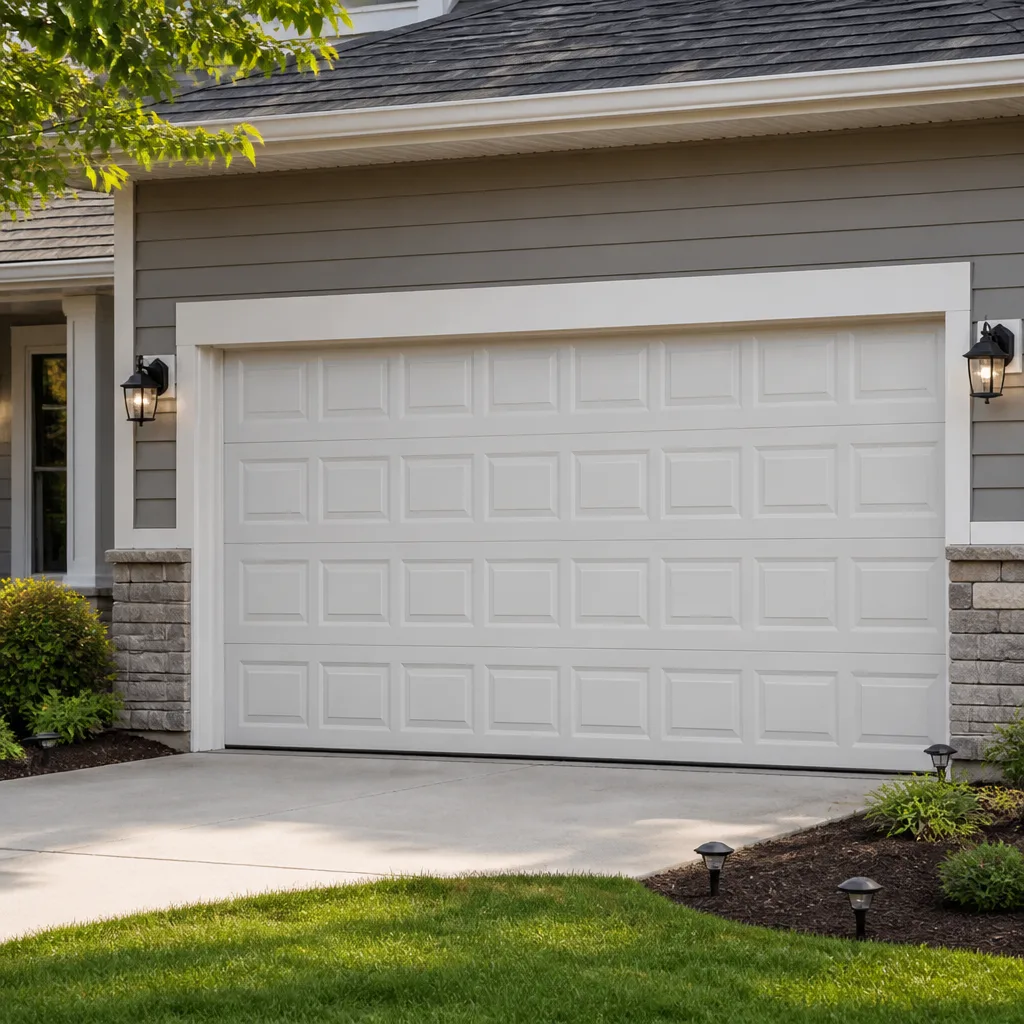
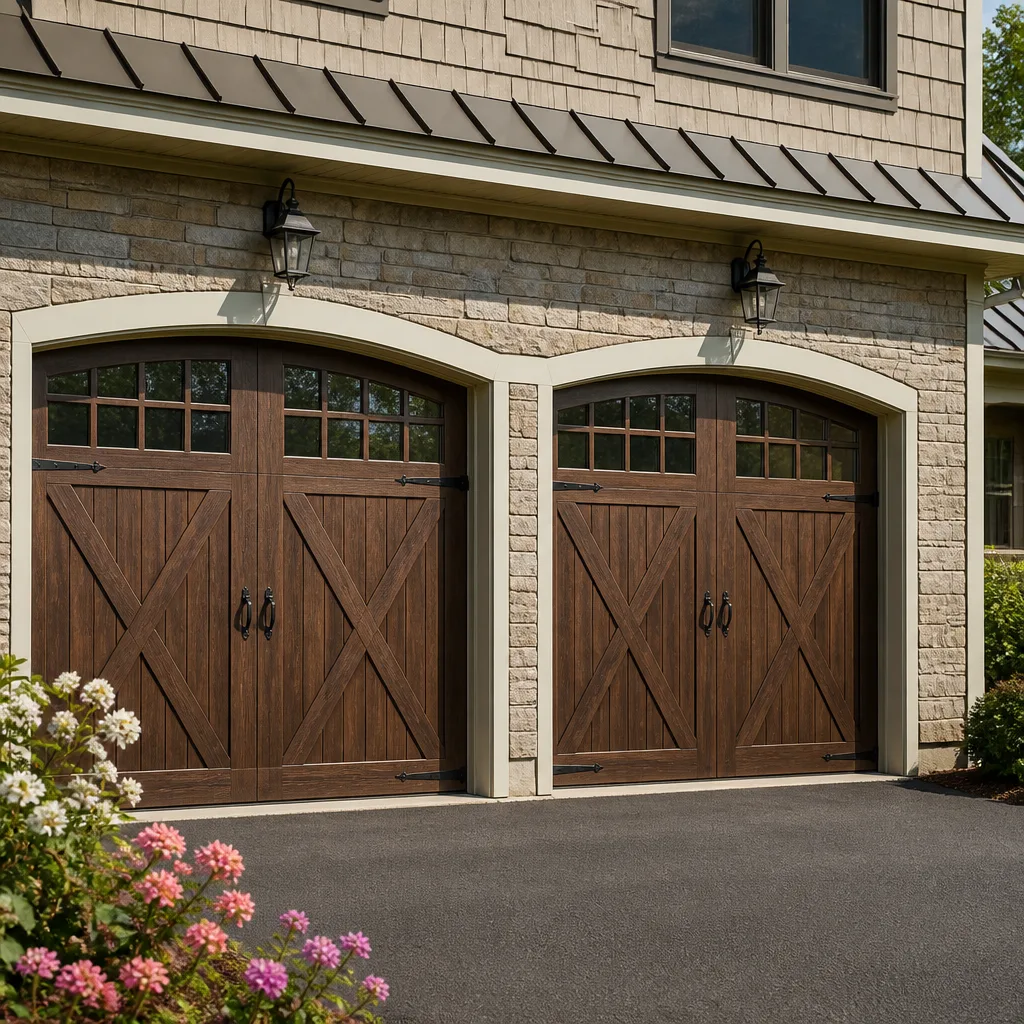
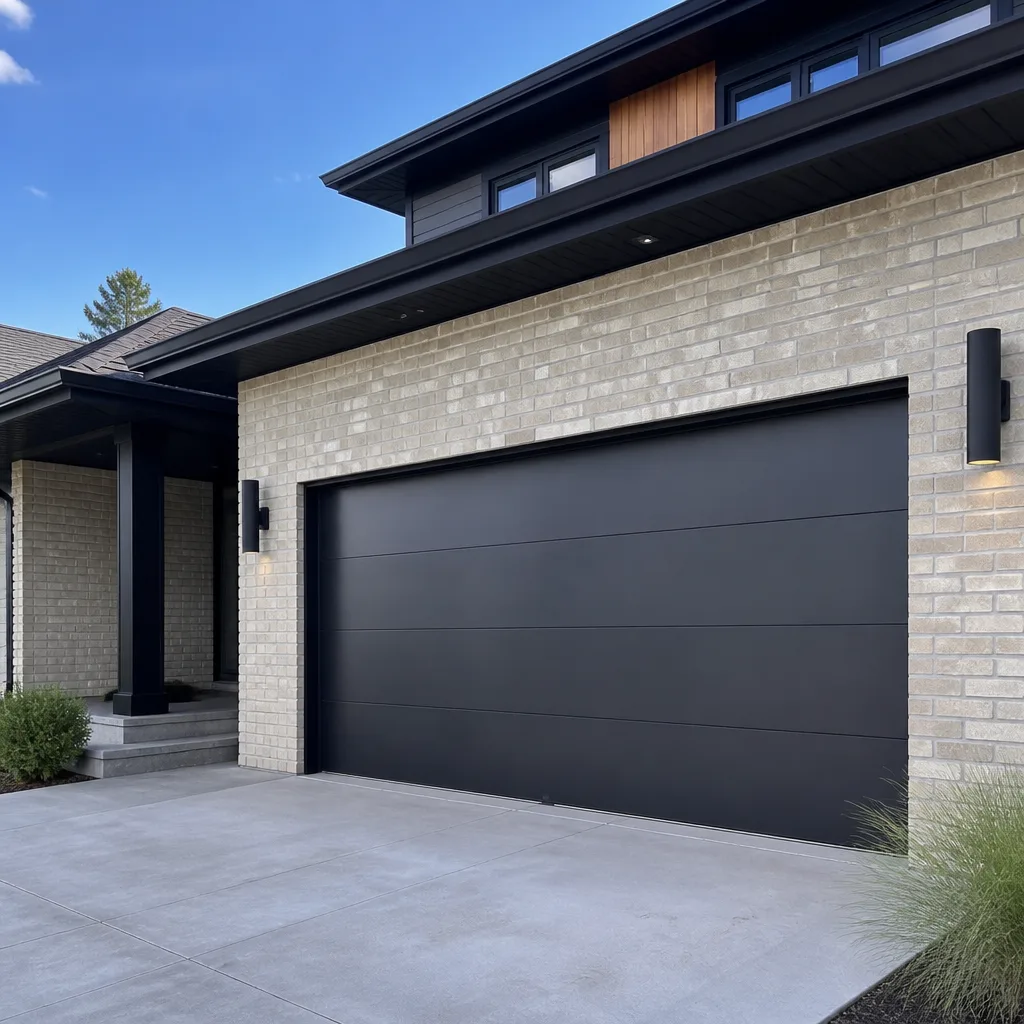
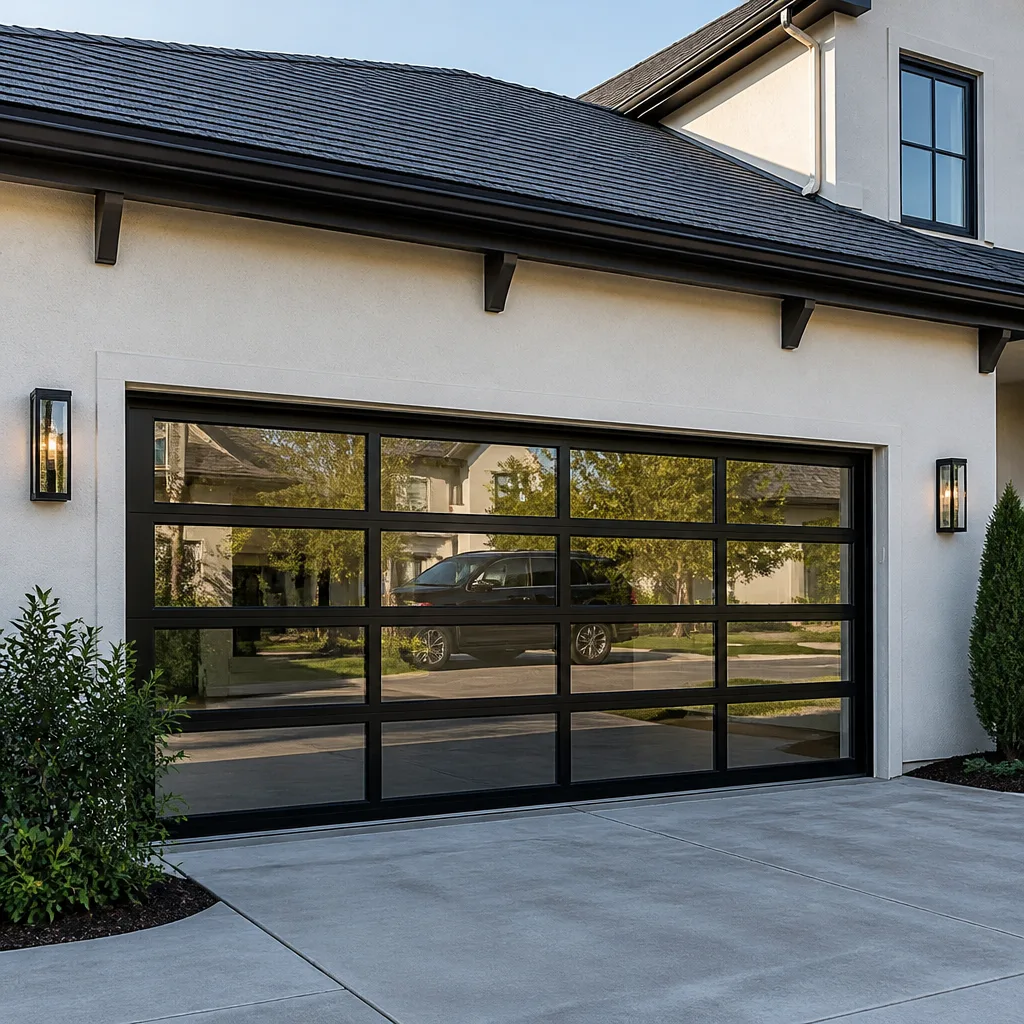
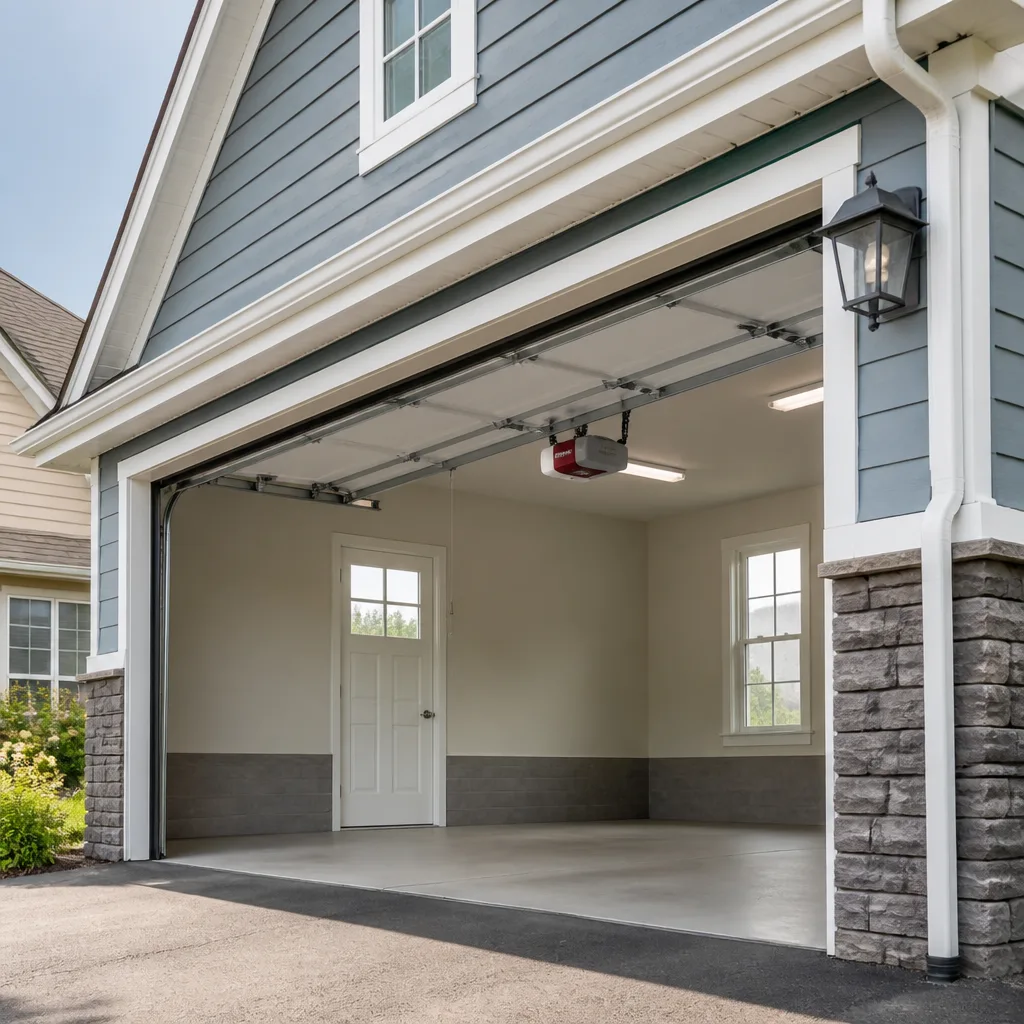
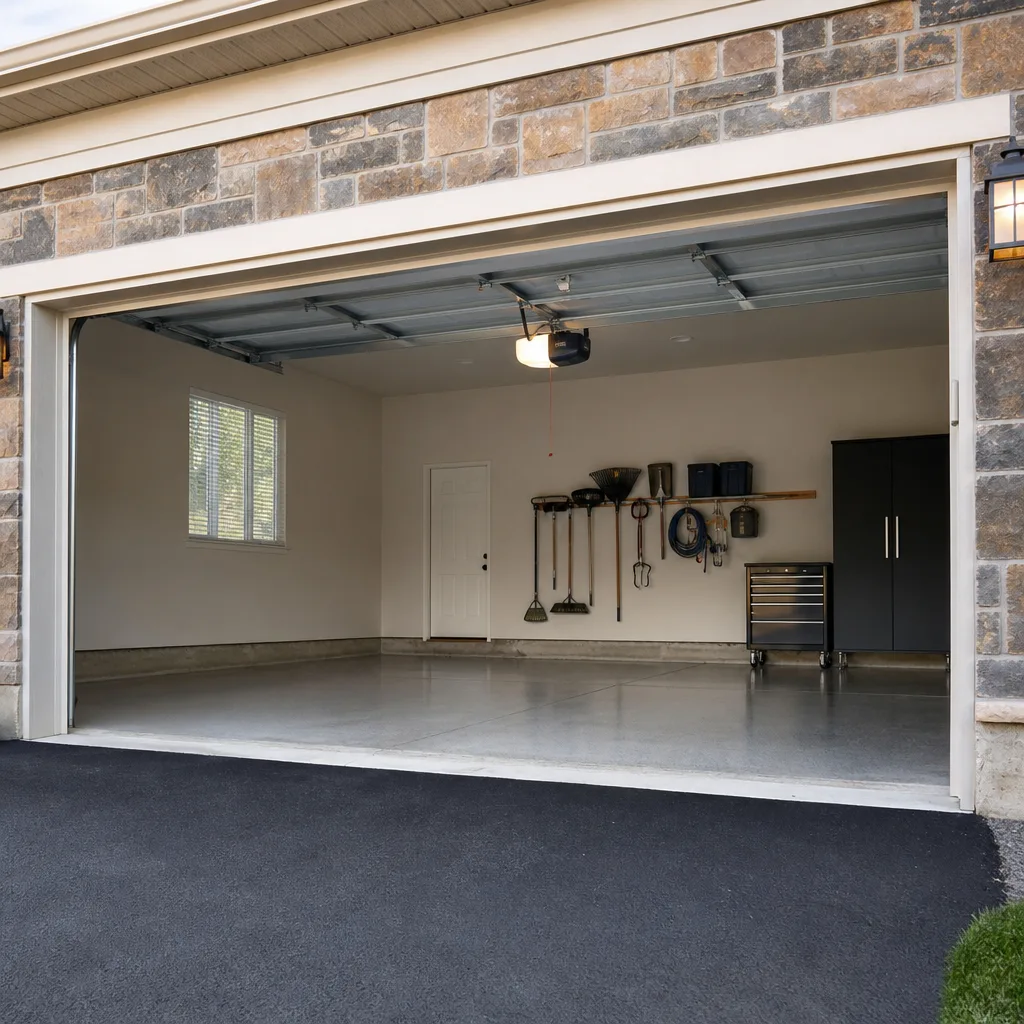
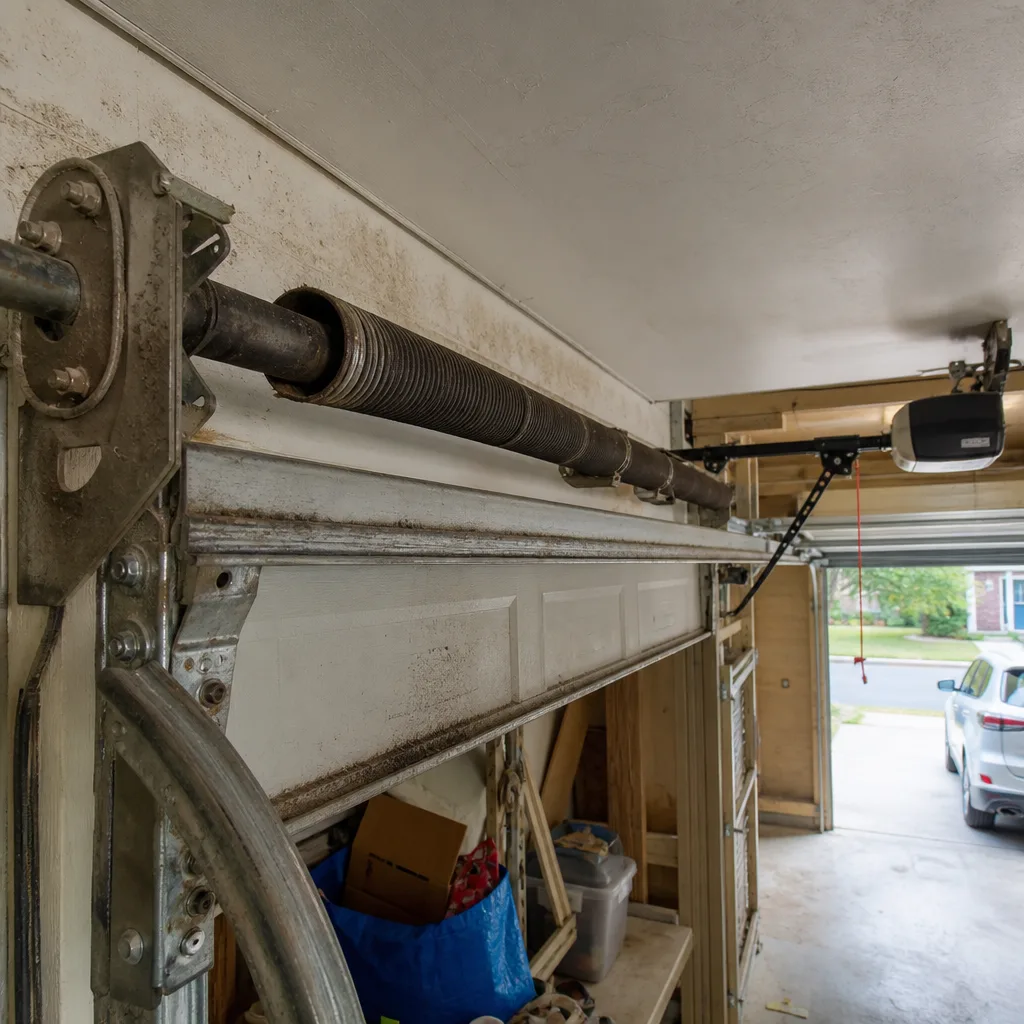 Before
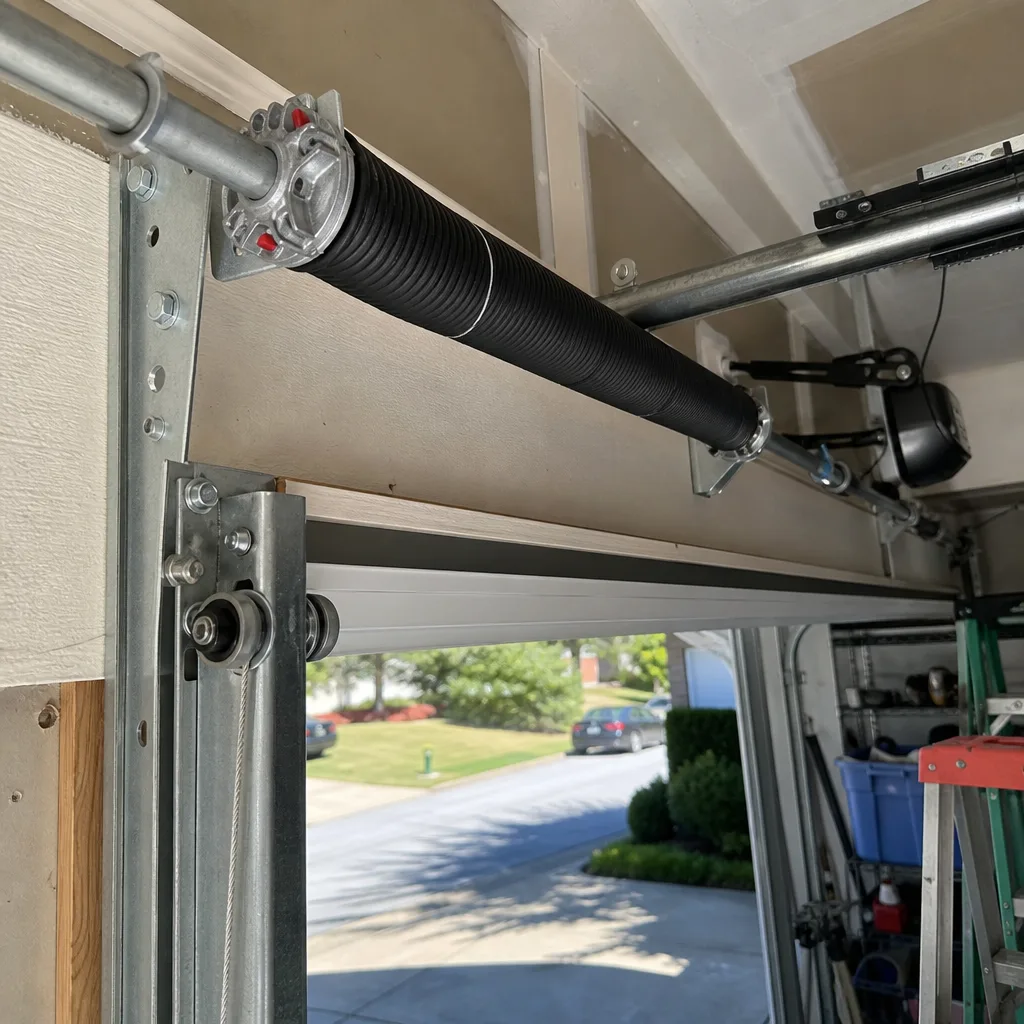 After
After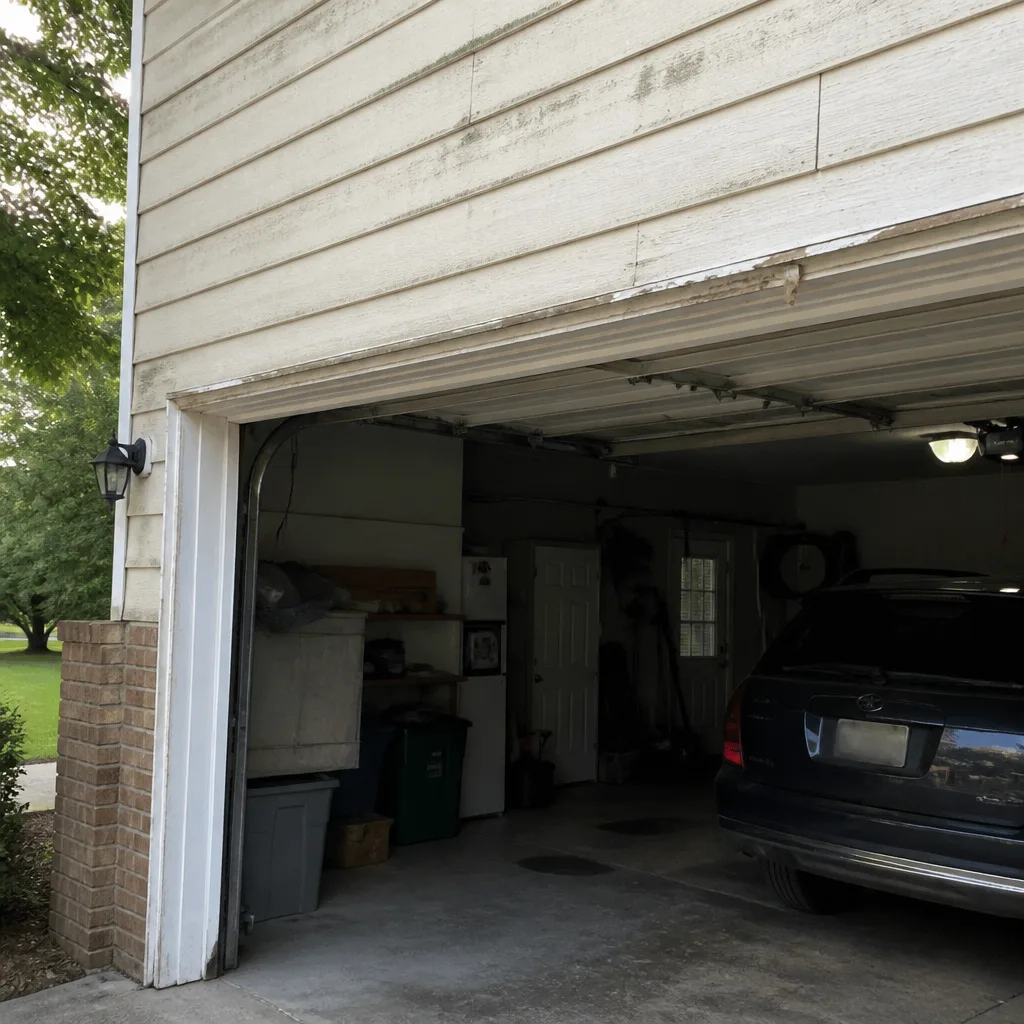 Before
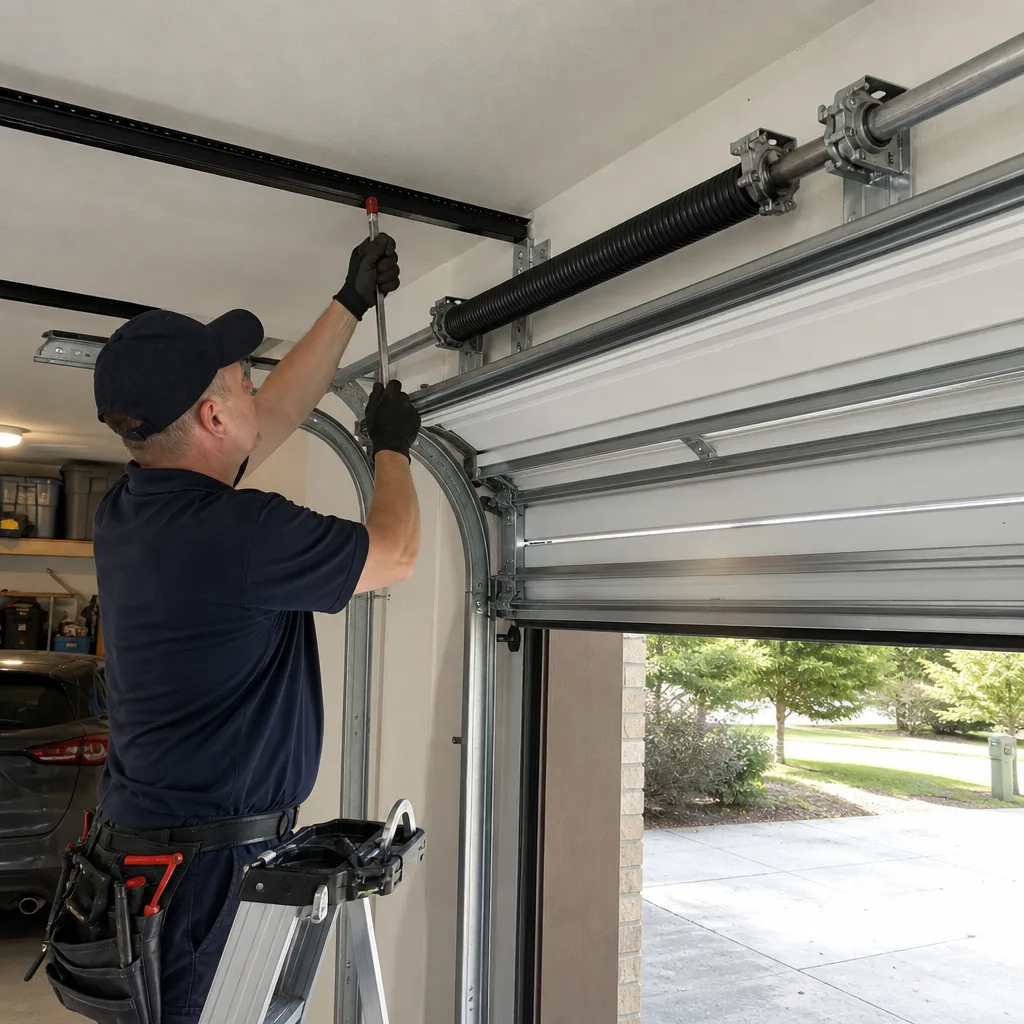 After
After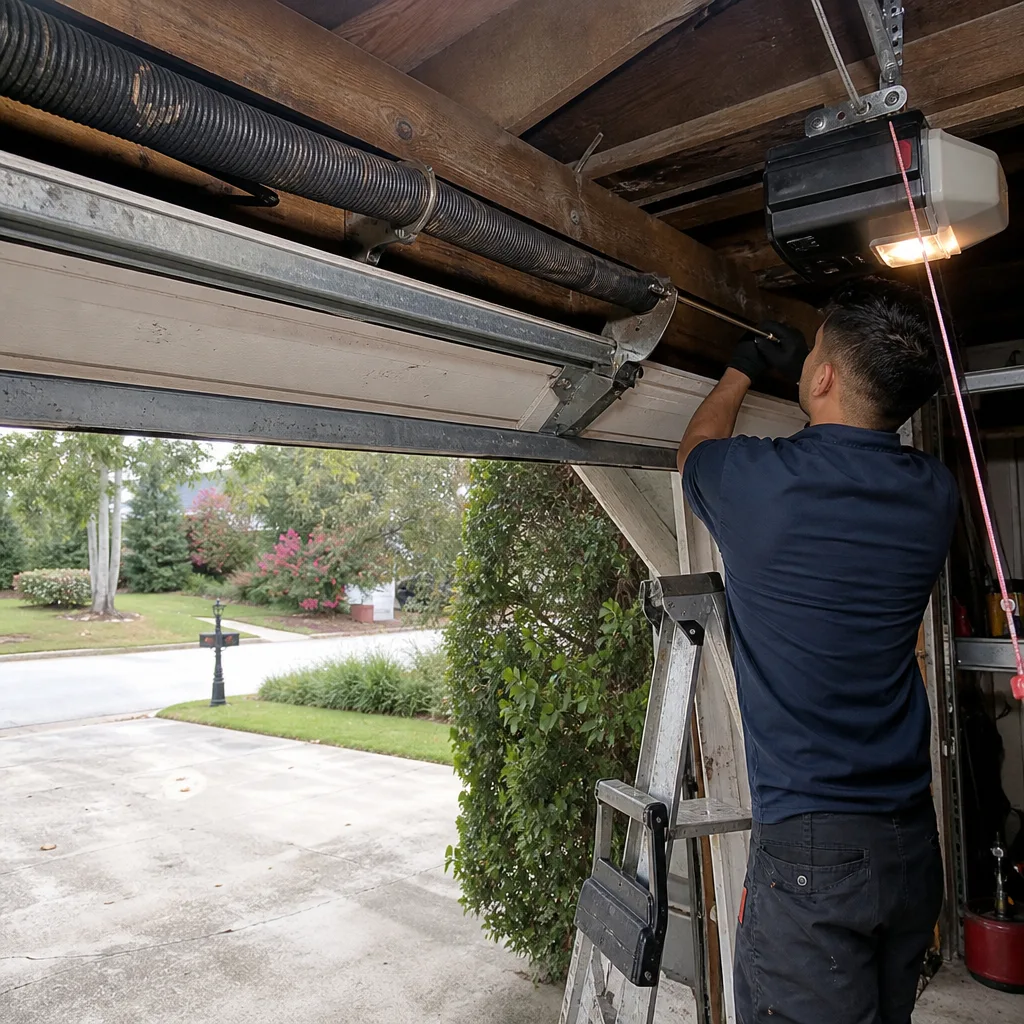 Before
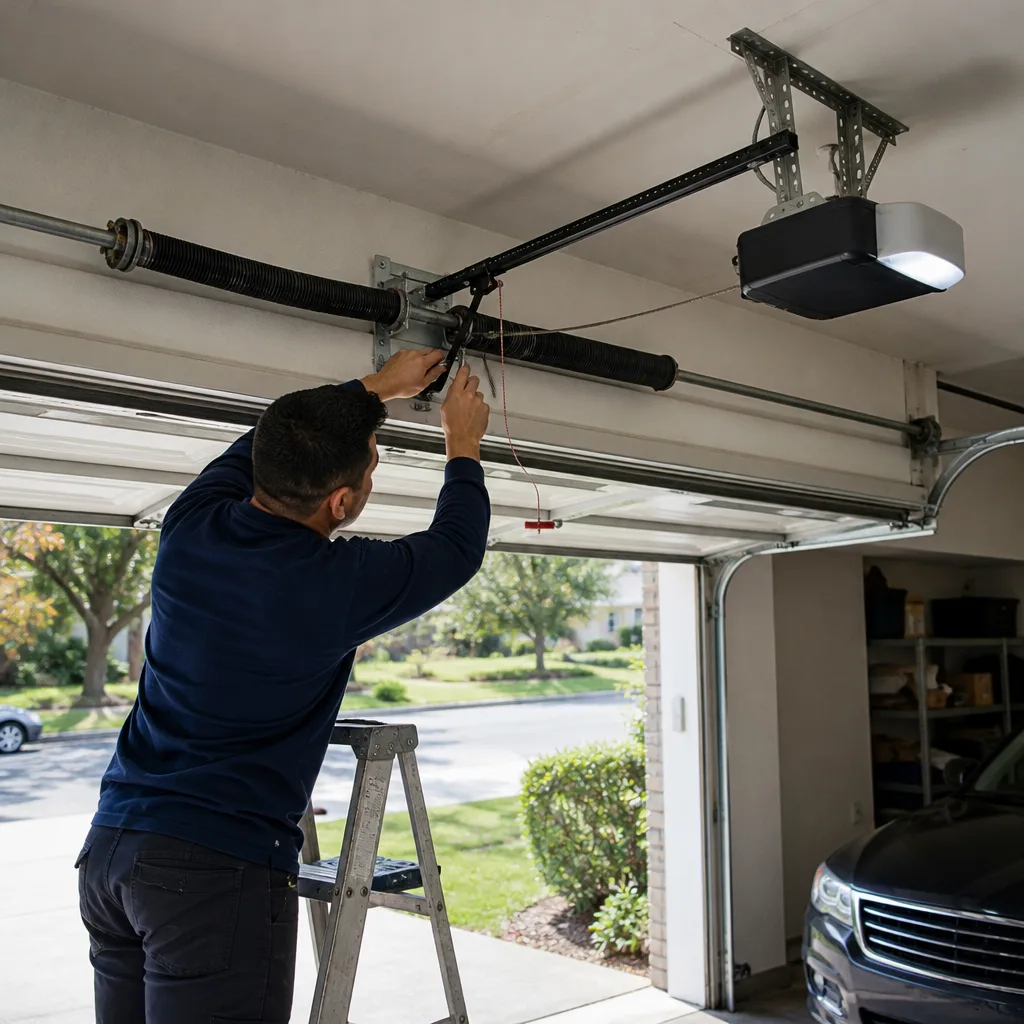 After
AfterGarage Door Repair Maintenance Checklist for Alpharetta Homeowners
The most expensive Garage Door Repair services call in any given year is almost never a surprise when you look back at it. The torsion spring that snapped on a Tuesday morning was loud for six weeks beforehand. The cable that frayed through had been shedding strands onto the floor since March. The opener motor that burned out was running seven seconds slower per cycle for two months. Homeowners in Alpharetta record these warnings as “seems a little slow lately” and then stop tracking. This checklist gives you pass/fail measurements for every inspection point, so you know whether to keep watching or make a call.
Quick Answer
A garage door maintenance checklist for Alpharetta homeowners covers twelve inspection points across four systems: springs, rollers, tracks, and opener. The most important checks are a balance test (the door should drift no more than two inches over 30 seconds when held at waist height), a roller inspection (nylon rollers should show no flat spots, steel rollers need replacement after roughly 10,000 cycles), and a reversal test on the opener. Run the full checklist twice a year, in March and October, and after any severe storm.
Table of Contents
- The Balance Test: Your Door’s Most Honest Report Card
- Roller Inspection by Type: Nylon vs. Steel, and What Failure Looks Like
- Lubrication for North Georgia Humidity: What to Use and What Skips
- The Photo Baseline: Documenting Your Door Before You Need Evidence
- Month-by-Month Maintenance Calendar for Alpharetta’s Climate
- Hardware, Track, and Weather Seal Checks
- Opener Checks: Reversal, Force Settings, and When the Logic Board Is Suspect
- Common Mistakes to Avoid
- When to Call a Professional
- Frequently Asked Questions
- The Bottom Line
BeforeAfterThe Balance Test: Your Door’s Most Honest Report Card
A garage door that is properly balanced is doing almost no work. The springs are carrying the weight, and the opener is just nudging it along. When balance drifts, the opener starts compensating, and that compensation is what kills motors. In Alpharetta, where doors cycle twice a day on a quiet street and ten times a day in a neighborhood like Windward with school runs and side-hustle traffic, an out-of-balance door can burn through an opener in eighteen months.
Every maintenance session starts with the balance test because it costs nothing and tells you more than any other single check. Here is the exact procedure and the exact pass criterion:
- Pull the red emergency release cord with the door closed. This disconnects the door from the opener carriage.
- Lift the door manually until it is roughly waist height, then let go.
- Watch the door for 30 seconds. Count it out if you need to.
- Pass: The door drifts no more than two inches up or down over the full 30 seconds.
- Fail: The door creeps more than two inches in either direction. If it drops, the springs are undertensioned or worn. If it rises, they are overtensioned.
- Fail immediately: The door will not stay put at all, or it slams down. Stop testing and leave the door open or closed, whichever is stable, and do not run the opener.
The fix for a failed balance test is not a DIY adjustment. Torsion springs hold enough stored energy to cause serious injury. What you can do is record the result. Write down the date, whether the door drifted, and in which direction. That record is what a technician wants to see when they arrive, because it tells them whether this is a slow decline or a sudden change. We regularly see doors in Alpharetta where the balance drifted for a year before anyone tested it, and by the time we’re called, the spring has fatigued and the opener’s gear is worn too. For Garage Door Warning Signs: A Alpharetta Homeowner’s Reference Guide, see our detailed walkthrough.
If you want a baseline, run this test today and write down the result. If the door passes, you have a clean starting point. If it fails, the next step is not “keep an eye on it.” It is a call to a technician who can measure the spring wire diameter and coil count before quoting a replacement. That is how the cost gets predictable: the measurement comes first, the price follows. Servo’s technicians photograph the spring before quoting, per Clause 4 of The Haven Standard, so you see exactly what we are seeing.
Roller Inspection by Type: Nylon vs. Steel, and What Failure Looks Like
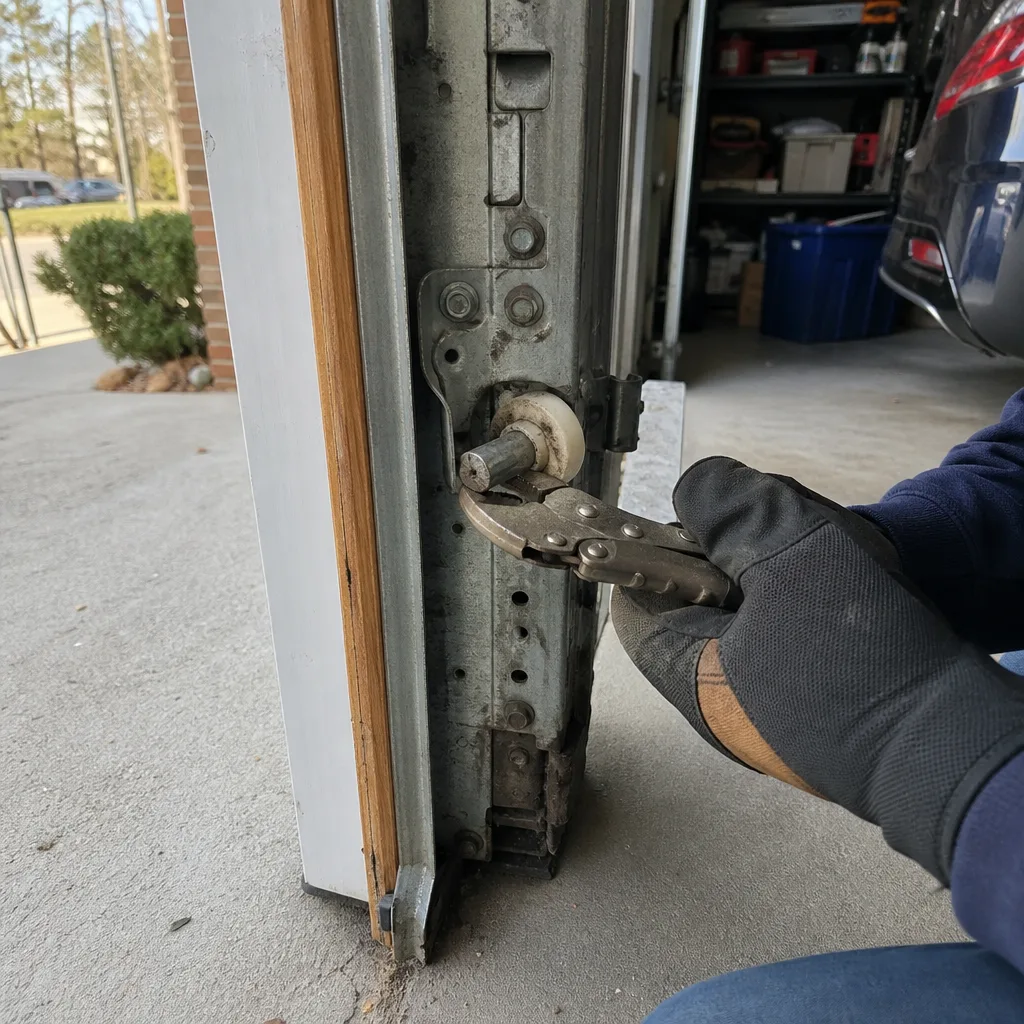
Rollers are the cheapest component in your door system and the second most common cause of a door that sounds wrong and moves rough. In Alpharetta’s climate, roller failure accelerates for a specific reason: the humidity keeps steel rollers rusting at the bearing, and the fine red clay dust that gets tracked into garages works its way into the bearing and acts as an abrasive. A roller that starts life smooth will grind itself into a flat spot in a single Georgia summer if the bearing is unsealed.
What to check, by type
- Nylon rollers (the white or black wheel with a steel bearing in the center): Look for flat spots on the wheel surface, wobble when you spin the wheel by hand, or a bearing that feels gritty. Nylon rollers do not rust, but the bearing inside does. A flat spot means the bearing has seized and the wheel has been sliding instead of rolling. Replace the roller, not just the bearing.
- Steel rollers (all metal, typically on doors installed before 2010): These wear on a cycle count, not just appearance. A steel roller should be replaced after approximately 10,000 cycles regardless of how it looks. For a door that opens three times a day, that is about nine years. For a door that opens eight times a day, that is three and a half years. If you do not know when your steel rollers were installed, assume they are due.
We see one failure pattern in Alpharetta more than anywhere else we have worked: the roller that wears a flat edge and then destroys the track. The flat edge stops rolling and starts dragging, the drag wears a groove into the horizontal track, and then every roller that passes over that groove gets jolted. A $12 roller turns into a $140 track section. The roller inspection is worth doing carefully because the consequence of skipping it is not just noise. It is a compounding failure.
The replacement schedule we recommend for Alpharetta homeowners is straightforward: nylon rollers get inspected every March and October, and replaced when a flat spot or wobble appears. Steel rollers get replaced on the cycle count, which for most households means every five to seven years if the door was built with them. If you are not sure what type you have, take a photo of the roller and compare it online, or keep it simple: if the wheel is silver metal against the track, it is steel.
Lubrication for North Georgia Humidity: What to Use and What Skips
North Georgia humidity does two things to garage door lubrication. It washes spray-on products off faster than dry climates, and it turns the wrong products into a sticky paste that attracts pollen and red clay dust. Alpharetta gets roughly 52 inches of rain a year, and your garage door hardware sees every humid day as a film of condensation. The lubrication schedule and product choice have to account for that.
The rule that matters most: lithium-based grease on torsion spring coils, not WD-40. WD-40 is a solvent and water displacer. It will clean the surface rust off a spring and then evaporate, leaving the coils drier than before. Torsion springs flex against themselves with every cycle, and without a film of grease between the coils, they grind, heat up, and fatigue faster. A white lithium grease in a spray can, applied in a thin coat along the spring coils, is the right product. Apply it twice a year, in March and October. Wipe off the excess after ten minutes so it does not collect dust.
On rollers, the product choice depends on the roller type. Silicone spray on nylon rollers shortens their service life. Silicone is a fine lubricant for metal-on-metal contact, but nylon rollers have a steel bearing inside the wheel. The silicone migrates into the bearing, thins the factory grease, and leaves the bearing running dry. For nylon rollers, the maintenance is inspection and replacement, not lubrication. For steel rollers, a light silicone spray on the bearing only, not the wheel surface, keeps the metal bearing running without attracting dust.
What else gets lubricated: the opener rail, the hinges, and the lock hardware. The rail takes a thin coat of lithium grease or a dedicated garage door rail lubricant. Hinges get a single drop of light machine oil at each pivot pin. The lock, if you have a manual lock, gets a graphite puff, not an oil, because oil thickens in the Georgia summer and jams the cylinder. If you lubricate nothing else, lubricate the springs. They are the component that kills the budget when they fail.
The Photo Baseline: Documenting Your Door Before You Need Evidence
The “it was already like that” argument between homeowners and contractors is older than garage doors. You get a repair quote, the technician points at a bent track or a cracked panel, and you have no way to know if that damage was there last year or appeared last week. The fix is not to hire a more honest contractor. It is to build your own evidence file before the dispute ever starts.
A photo baseline takes fifteen minutes and makes future repair quotes verifiable. Set aside one Saturday morning in March, take your phone into the garage, and photograph every surface you would want documented: the torsion spring assembly from both sides, each roller and hinge, both track sections from top to bottom, the bottom seal, the opener rail and motor housing, and the door panels inside and out. Date the photos by renaming the folder or taking a single shot of today’s date on a whiteboard first. Store them in a folder called “Garage Door Baseline” in your cloud storage.
Why this matters specifically for Alpharetta homeowners: our storm season runs March through September, and hail, wind, and falling branches all cause damage that insurance adjusters will want to date. If you can show the adjuster a photo of a pristine door from February and a dented panel from a June storm, the claim is straightforward. If you cannot, the claim is your word against the insurance company’s documentation. The same logic applies to contractor disputes. When a technician says the track was already bent, you can open the folder and compare it to the photo from six months ago. The evidence either confirms their claim or catches the discrepancy, and either way you are making a decision with information instead of trust.
This documentation protocol is not just for your file. It is the same principle Servo operates under with The Haven Standard. Clause 4 requires our technicians to photograph the failed component before quoting a replacement. You get that photo record as part of every visit we make in Alpharetta, and it removes the exact ambiguity that homeowners hate. If documentation is evidence, then evidence should flow both ways: you should have yours before you need it, and any contractor you hire should be willing to show theirs.
Month-by-Month Maintenance Calendar for Alpharetta’s Climate
Generic maintenance guides split the year into “spring” and “fall,” which is not how Alpharetta’s climate works. Our severe weather season is spring. Our humidity peaks from June through September. Our coldest stretch is January and February. The maintenance schedule below maps the checks to the actual weather patterns, so each month’s task is the one that matters most at that time.
January and February: Cold Weather Chores
- Inspect the bottom weather seal for cracking. Cold temperatures make rubber stiff, and a stiff seal tears when the door closes on it.
- Run the balance test. Cold weakens spring tension slightly, so a door that was marginal in October may fail in January.
- Check the opener’s reversal force by closing the door on a 2×4 laid flat under it. If the door does not reverse within two seconds of contact, adjust or call.
March: Full Spring Inspection
- Run the complete twelve-point checklist in this guide.
- Lubricate torsion springs with lithium grease. This is the first of two annual lubrication passes.
- Take or refresh your photo baseline.
- Check track bolts for looseness. Freeze-thaw cycles over winter work bolts loose.
April through June: Storm Season Monitoring
- After any storm with wind over 40 mph, inspect the door for panel dents and the tracks for alignment shifts.
- Hail damage shows up as small, round dents with a bright metal center. Document it immediately for insurance.
- Check for debris in the track. Spring thunderstorms blow pollen, twigs, and shingle granules into the garage.
July through September: Humidity Load
- Wipe down steel rollers and hinges with a dry cloth monthly. Humidity plus dust creates a grinding paste on metal surfaces.
- Listen for a scraping sound during operation. This is often a dry spring or a failed roller bearing, both of which compound in humid heat.
- Check the weather seal for mildew and warping. A warped seal lets in the humid air that rusts everything else.
October: Full Fall Inspection
- Run the complete checklist again.
- Second lubrication pass on springs and opener rail.
- Test the auto-reverse on both the opener sensors and the force setting. This is the most important safety check before the door sees heavier holiday use.
- Inspect cables for fraying. Cables fail most often in late fall when the temperature swings make the steel expand and contract.
November and December: Pre-Holiday Verification
- Run the balance test once more. Thanksgiving and holiday gatherings mean more cycles on the door.
- Check the opener’s force setting by listening for strain. If the door sounds labored, the balance or the rollers need attention before the heavy-use month.
Hardware, Track, and Weather Seal Checks
The hardware check is the most skipped part of garage door maintenance because it is the least dramatic. Bolts do not announce themselves the way a failing spring does. They just get looser, quarter-turn by quarter-turn, vibration cycle by vibration cycle, until a hinge shifts and the door binds. In Alpharetta’s clay soil, which holds water and stays soft, garage slabs settle fractionally over time, and that settlement throws the track alignment off sooner than in drier regions.
Work through these checks in order, top to bottom, so you do not miss one:
- Hinge bolts: Check every hinge bolt for tightness. A hinge with play will let the panel flex under its own weight, and that flex transfers to the track. Tighten with a socket wrench, not pliers.
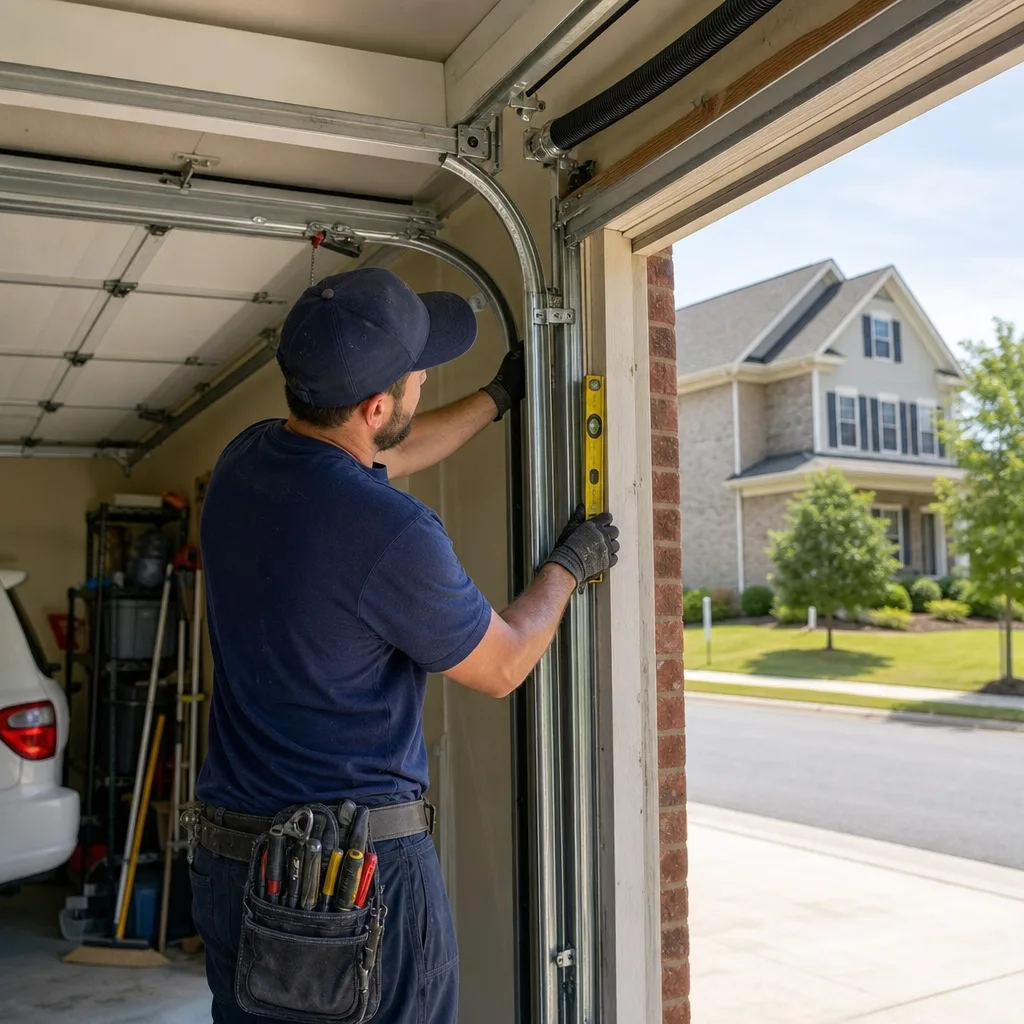
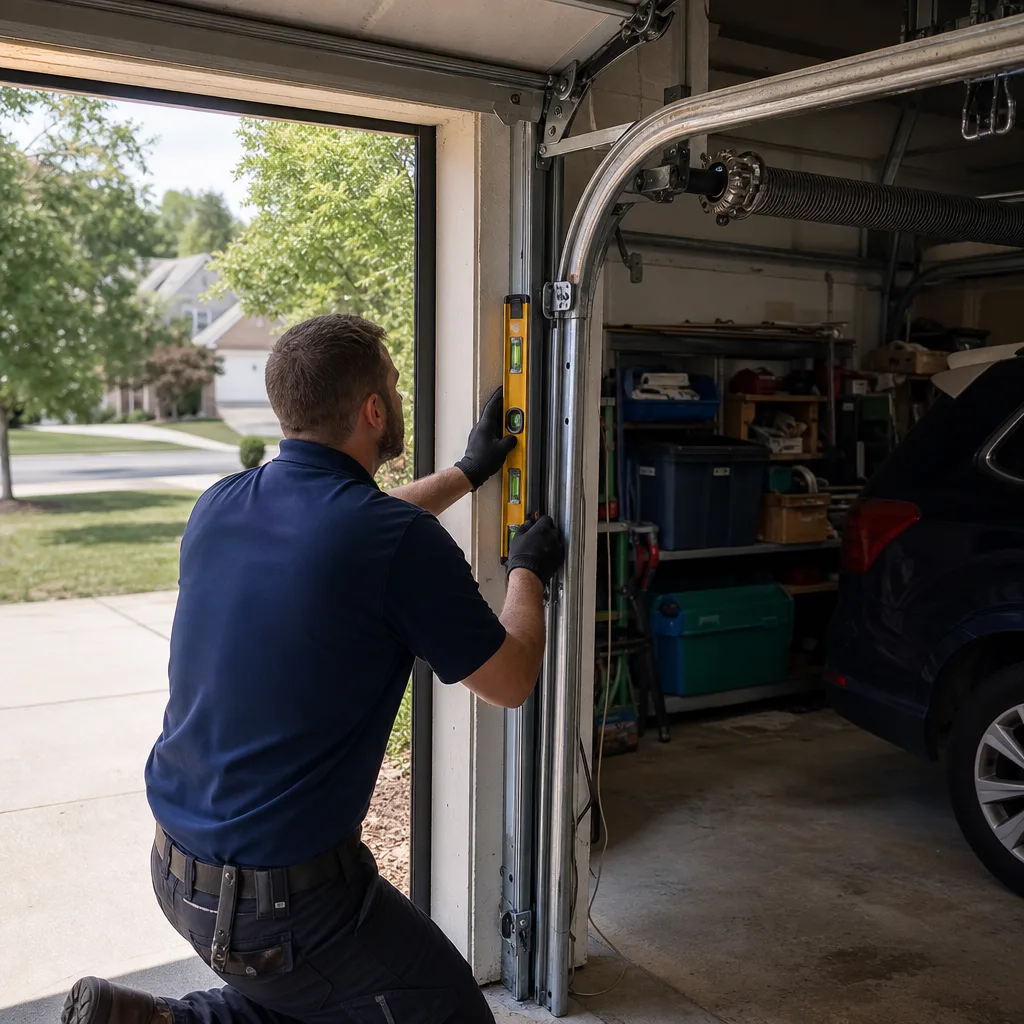
- Track alignment: The vertical track sections should be plumb and the horizontal sections should slope slightly toward the back of the garage. If you can see a gap between the roller stem and the track face anywhere, the track has shifted.
- Track mounting brackets: Every bracket should sit flush against the wall or ceiling. A bracket that has pulled away from the drywall indicates the track is under load it was not designed for.
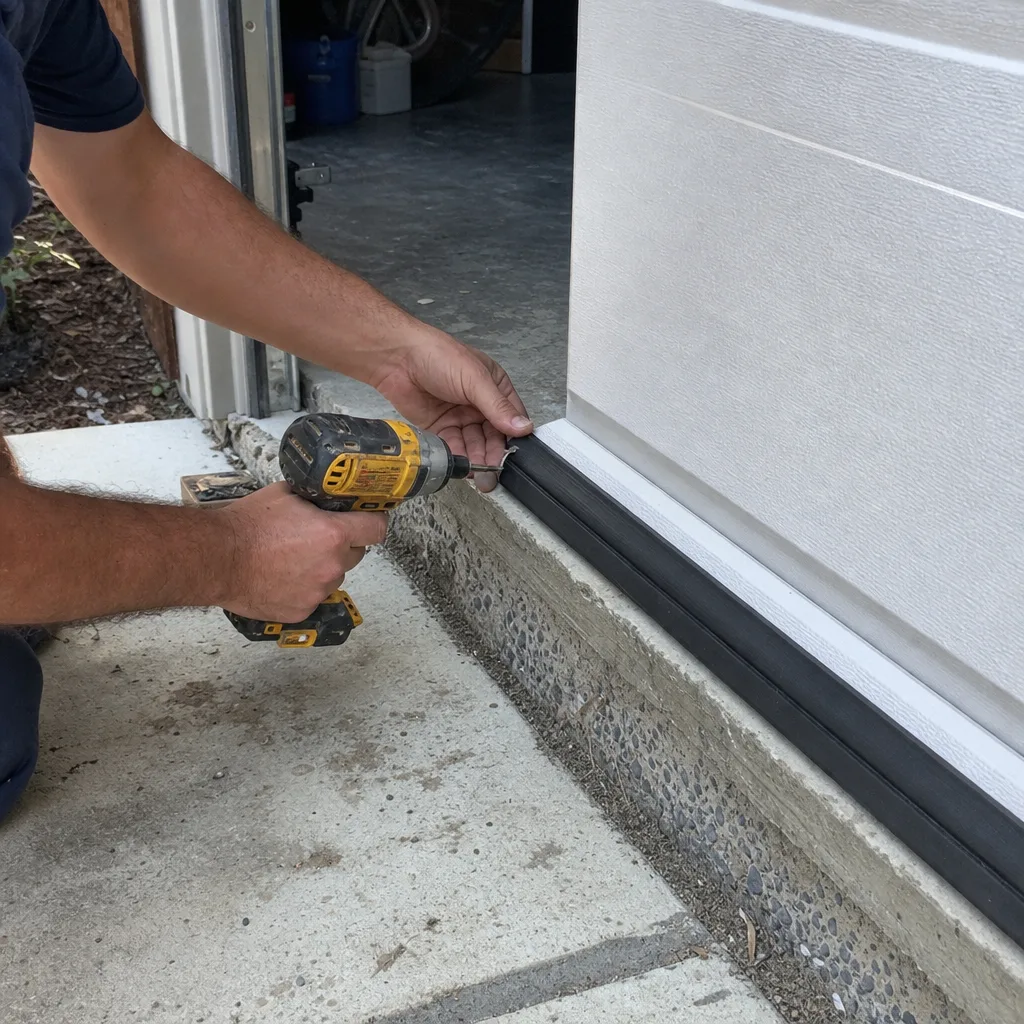
- Bottom weather seal: Look for cracks, flattening, or gaps where the seal meets the floor. In Alpharetta, a failed seal invites humidity, insects, and in heavy storms, water getting in.
- Side weather stripping: Check for gaps where light comes through around the door edges. Aluminum trim pieces should sit flush; vinyl stripping should be soft enough to compress when the door closes.
The weather seal warps in Georgia summers from the combination of heat and direct sun on south-facing garage doors. A warped seal pulls away from the floor at the ends while staying tight in the middle, and water follows the gap. If you see that pattern, replace the seal rather than adjusting the door. The seal is a consumable item, like brake pads, and most Alpharetta doors need a new one every three to five years.
Opener Checks: Reversal, Force Settings, and When the Logic Board Is Suspect
The opener is the component that gets blamed for problems caused by everything else. A door that is out of balance makes the opener work harder. A roller that has seized makes the opener strain. A track that has shifted makes the opener fight the geometry. Before you replace an opener, verify that the door itself is not the problem. In our experience with Alpharetta homes, a significant fraction of “dead openers” are actually healthy motors attached to neglected doors.
The most important opener check is the auto-reverse test, and you should run it monthly. Place a 2×4 flat on the floor under the door, close the door on it, and confirm the door reverses within two seconds of contact. If it does not, the force setting needs adjustment or the opener needs service. This is a safety issue: an opener that does not reverse can injure a child or pet, and it is the single most important check on this entire list.
The second check is the photoelectric sensor alignment. Those two small units at the bottom of each track send a beam across the door opening. If the beam is interrupted, the door will not close. In Alpharetta, where garage floors settle, one sensor can dip a half-inch and break the beam even though the units look fine. The test: with the door open, press the close button, then wave your hand in front of either sensor. The door should stop and reverse. If the door closes with the beam blocked, the sensors are misaligned or bypassed, and that is a repair item.
The opener’s behavior can also tell you about the spring. If the door starts closing and stops midway, reverses, or the opener light flashes error codes, the problem is often the spring losing tension rather than the opener failing. The opener’s job is to move the door, not to lift it; the spring does the lifting. When the spring weakens, the opener’s force sensor trips. A technician who tells you the opener needs replacing without checking the spring is skipping a step. Every diagnosis should start with the spring and the balance, because the opener is downstream.
Common Mistakes to Avoid
- Lubricating without cleaning first. A film of dust and red clay on the track or spring turns lithium grease into lapping compound when you spray over it. Wipe the surface with a dry cloth before you lubricate anything in an Alpharetta garage.
- Using WD-40 on torsion springs. WD-40 strips the protective grease and leaves the coils bare. Torsion springs need a lithium-based grease, and nothing else sprayed on the coils.
- Adjusting torsion springs without training. The stored energy in a wound torsion spring can release instantly and cause severe or fatal injury. A balance test tells you if the spring needs attention. The adjustment itself is a professional job, period.
- Skipping the reversal test because “it worked last year.” The force setting drifts as the door balance shifts. An opener that reverses today may not reverse in six months. Check it monthly.
- Replacing steel rollers one at a time as they fail. Steel rollers wear on a cycle count, and they all wear at roughly the same rate. If one has failed, the others are close behind. Replace the set, not the single roller.
- Ignoring a noisy door because it still opens. The grinding, scraping, or rattling sound is not a personality trait. It is a component failing on a schedule. A door that gets louder every month is a door that is getting more expensive to fix every month.
- Treating the weather seal as optional. In Alpharetta’s humidity, a failed seal does not just let in water. It lets in the moist air that rusts the springs, the hinges, and the roller bearings. The seal is part of the mechanical system, not just a draft stopper.
When to Call a Professional
Some checks on this list end in a pass or a fail, and a fail means a phone call. If the balance test shows drift beyond two inches, the spring tension needs a professional adjustment, and a spring under load is not a DIY project. If a cable is fraying, you are looking at a snap that can happen under tension and whip through the garage. If the opener is running but the door is not moving, the gear is stripped or the carriage is disengaged, and forcing it can buy you a bigger repair. If the reversal test fails and the force adjustment does not fix it, the logic board is likely the culprit, and board-level troubleshooting is not a Saturday afternoon job. Servo Garage Doors Alpharetta offers free estimates in Alpharetta, and our technicians work from a written price and scope agreed before any tool comes out. Call (678) 679-2096 when a check fails.
Frequently Asked Questions
Run the full twelve-point checklist twice a year, in March and October, with the month-by-month checks in between. Alpharetta’s climate makes March the right time for the post-winter inspection and October the right time for the pre-holiday one.
The balance test costs nothing and takes under a minute to run: disconnect the door with the emergency release, lift it to waist height, and watch for drift. If the door moves more than two inches in 30 seconds, the spring tension needs professional adjustment. For a precise quote on spring work or any repair in Alpharetta, call (678) 679-2096. Estimates are free, and the price is always a flat written number before work starts.
Torsion spring replacement in Alpharetta typically runs between $220 and $380 for a standard single door, depending on the spring’s wire diameter and cycle rating. Higher-cycle springs cost more upfront but last two to three times longer in most Alpharetta households. Our technicians measure the spring and photograph it before quoting, so the price you see is the price you pay. Call (678) 679-2096 for a free estimate.
If what you have is lithium grease, yes for the springs and rail. If what you have is WD-40, no, not for anything on this checklist. WD-40 is a solvent, not a lubricant, and it strips the protective coating off springs. Silicone spray belongs on steel roller bearings only, never on nylon rollers, where it thins the bearing grease and shortens the roller’s life.
Yes. Servo technicians work on all major brands including LiftMaster, Wayne Dalton, Chamberlain, Genie, and Craftsman, plus Clopay, Amarr, and Raynor doors. Our written photo record applies to every brand and every visit, so you’ll see exactly what we found and what we did. Call (678) 679-2096 for garage door repair in Alpharetta with a written price before any work begins.
A tune-up that catches a failing roller or a drifting balance costs less than the repairs that follow if those issues are left alone. In Alpharetta’s humidity, a $12 roller can become a $140 track replacement. If you would rather run the checklist yourself, this guide and our more guides & resources give you the pass/fail criteria. If you want the work done with documentation, call (678) 679-2096. Every visit closes with a photo record of what was found and what was serviced.
The Bottom Line
What separates a useful maintenance checklist from a generic one is the pass criterion. “Check the balance” is vague. “The door should drift no more than two inches in 30 seconds” is a decision. “Inspect the rollers” is a suggestion. “Nylon rollers show no flat spots; steel rollers get replaced at 10,000 cycles” is a schedule. Your garage door in Alpharetta is one of the few mechanical systems in your home that moves every day and gets inspected almost never. Run the balance test today, photograph your baseline this month, and put the March and October inspections on the calendar. When a check fails, a measured, written-price repair costs less than the failure it prevents. If you would rather have us do the looking, we would rather show you what we find. Call (678) 679-2096. The estimate is free, the price is written, and the documentation comes with the job.
Written by Marcus Deller, Owner at Servo Garage Doors Alpharetta, serving Alpharetta since 2015.